
Web Development and Marketing for Real Estate Brands in Pune
A property listing that loads slowly loses the buyer before they see the floor plan. We build for speed first.
What slows you down
Core capabilities & deliverables
Enquiries that don't turn into site visits
A generic contact form loses real estate leads at the exact moment they're warmest. A buyer clicks "enquire" on a specific 2BHK listing, and what comes back is a generic callback about your whole project — wrong unit type, wrong budget bracket, no acknowledgment of what they actually clicked on. By the time someone corrects that on a call, the buyer's already looked at two competing listings and may have booked a site visit elsewhere. We build enquiry flows tied to the specific listing a buyer clicked, capturing unit type and budget upfront, so the first reply back is relevant and fast enough to still be the one that gets the site visit booked.
A different agency every project
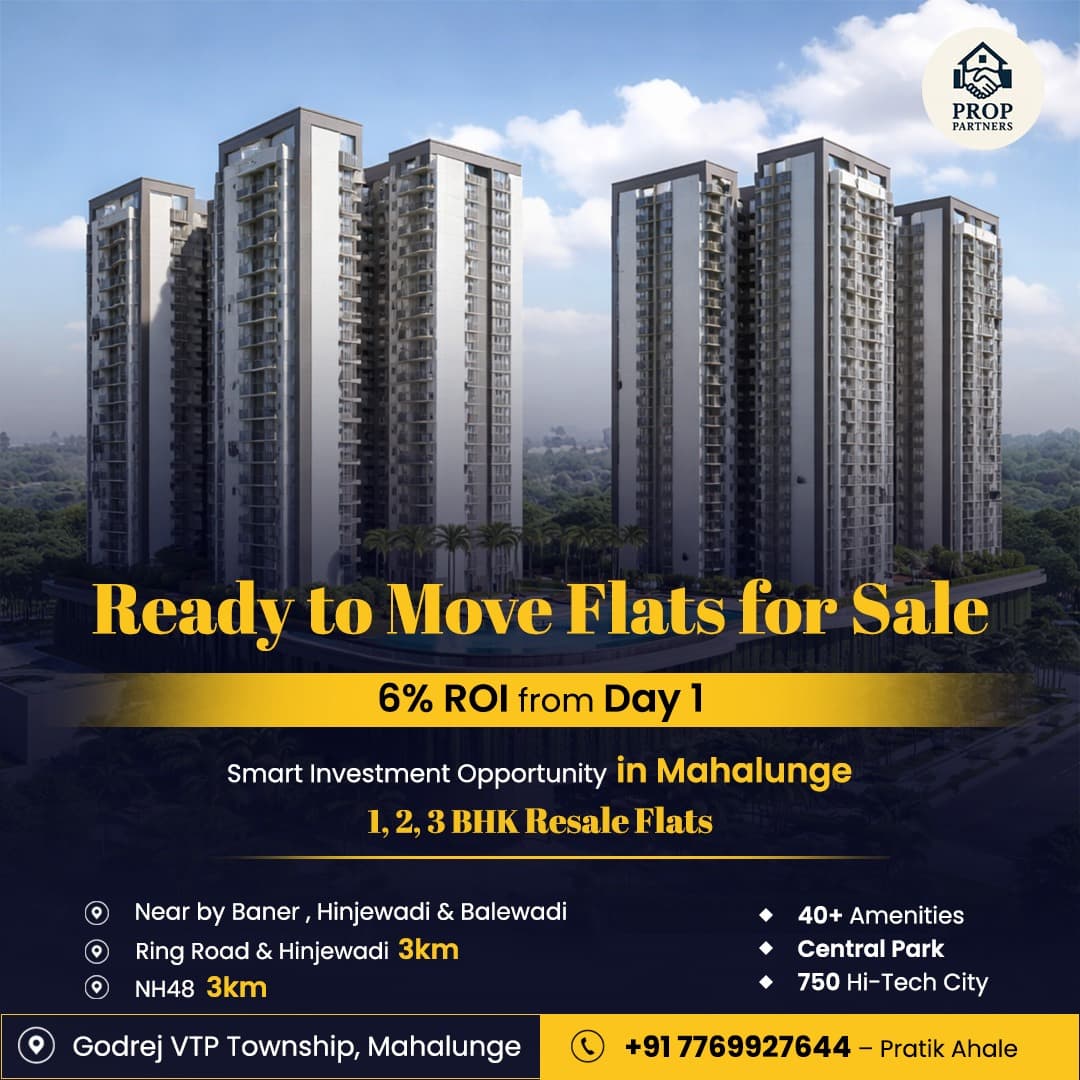
Real estate marketing compounds — figuring out which channel, creative angle and micro-market targeting actually converts for a specific price bracket takes real testing time, and that learning is what makes the second campaign cheaper than the first. Switching agencies for every new project launch throws that away; the new team starts from zero on targeting and has to relearn your micro-market from scratch. We stay on as a long-term team instead, which is how a rental campaign for Prop Partners in a competitive micro-market like Mahalunge cut cost per lead by 40% and lifted lead volume 200% — results that came from continuity, not a first attempt.
No visibility into what ad spend is producing
You should know your cost per qualified site-visit request, not cost per click, but most real estate ad reporting stops at reach and impressions — numbers your sales team can't act on when they're asking why site visits are down this month. That gap means budget often stays parked on a channel that's cheap per click but produces browsers, not buyers, while a smaller channel quietly driving real visits goes underfunded. We report the number tied to actual footfall weekly, with server-side tracking so the figure holds up even as ad platforms keep changing what they track by default, and we move budget toward what's producing visits inside the first couple of weeks.
Listings that take too long to go live
A property that's live on the market shouldn't wait weeks for its listing page to go up, but that's the norm when every new unit release means briefing a developer, waiting on a design pass and then a build — while your sales team fields calls about a property with no page to send people to. Early interest is exactly when a listing needs to be visible; by the time the page finally launches, some of that momentum has already gone to whichever competitor listed same-day. We build listing templates once, so new inventory goes live in hours through a structure your team can populate directly, not a queue behind a developer's other projects.
Marketing creative and the website don't say the same thing
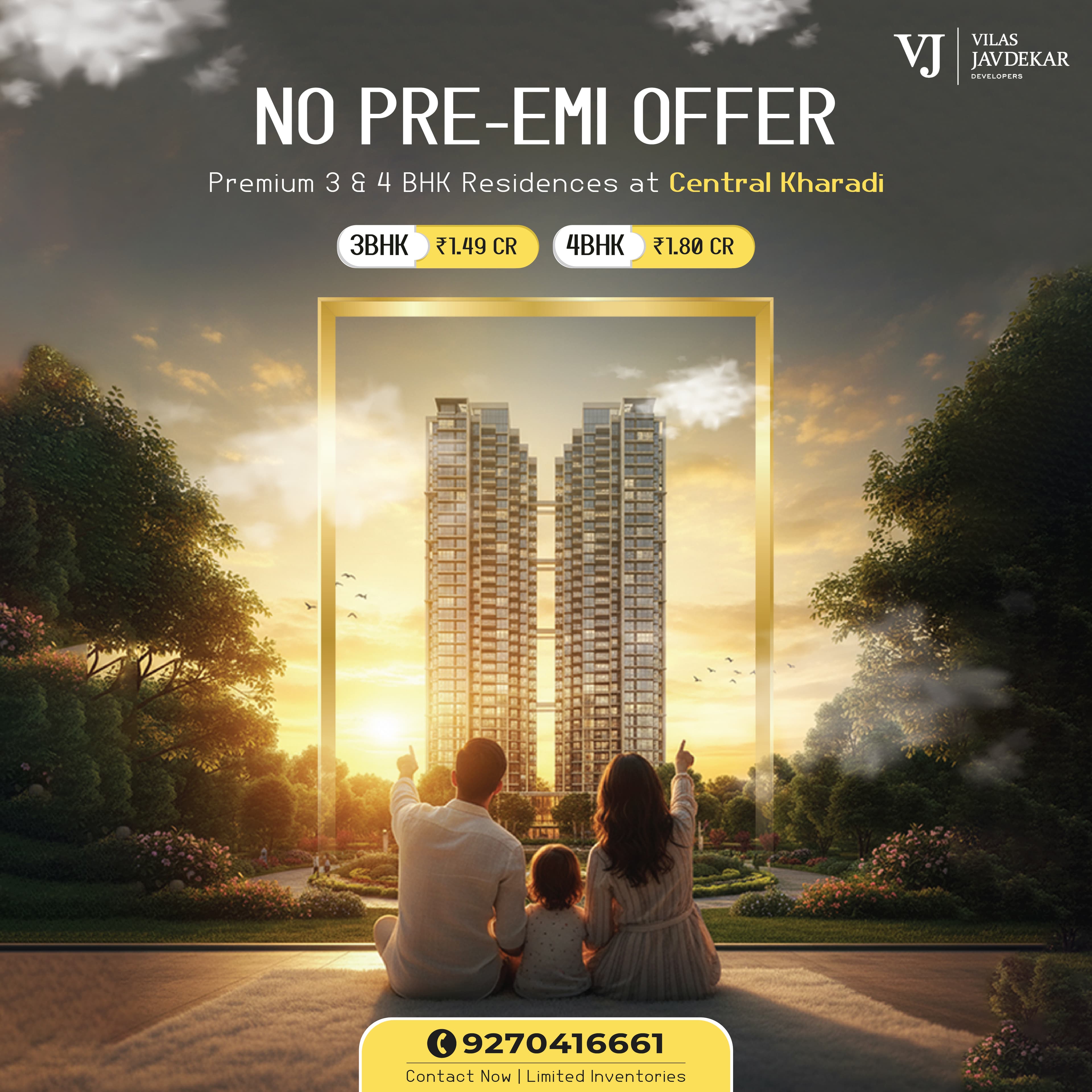
A pricing or amenities flyer built for social media and the actual listing page on your website are often produced by different people on different timelines, and it shows — a buyer who saw a 2BHK price on an Instagram post lands on the site to find a different number, or amenities mentioned in the ad missing from the page entirely. That kind of mismatch doesn't read as a minor inconsistency to the buyer; it reads as the listing not being trustworthy, right at the point they were ready to enquire. We've built both sides of this before — pricing and amenities creative for projects like Kohinoor Kaleido and Vilas Javdekar alongside listing pages — specifically so the number a buyer sees in an ad is the same number they see when they click through, not two teams working from two different briefs.
Built for
- Listing platforms
- Virtual tours
- Lead routing
- Local SEO
Portfolio Showcase
Recent work in this space.
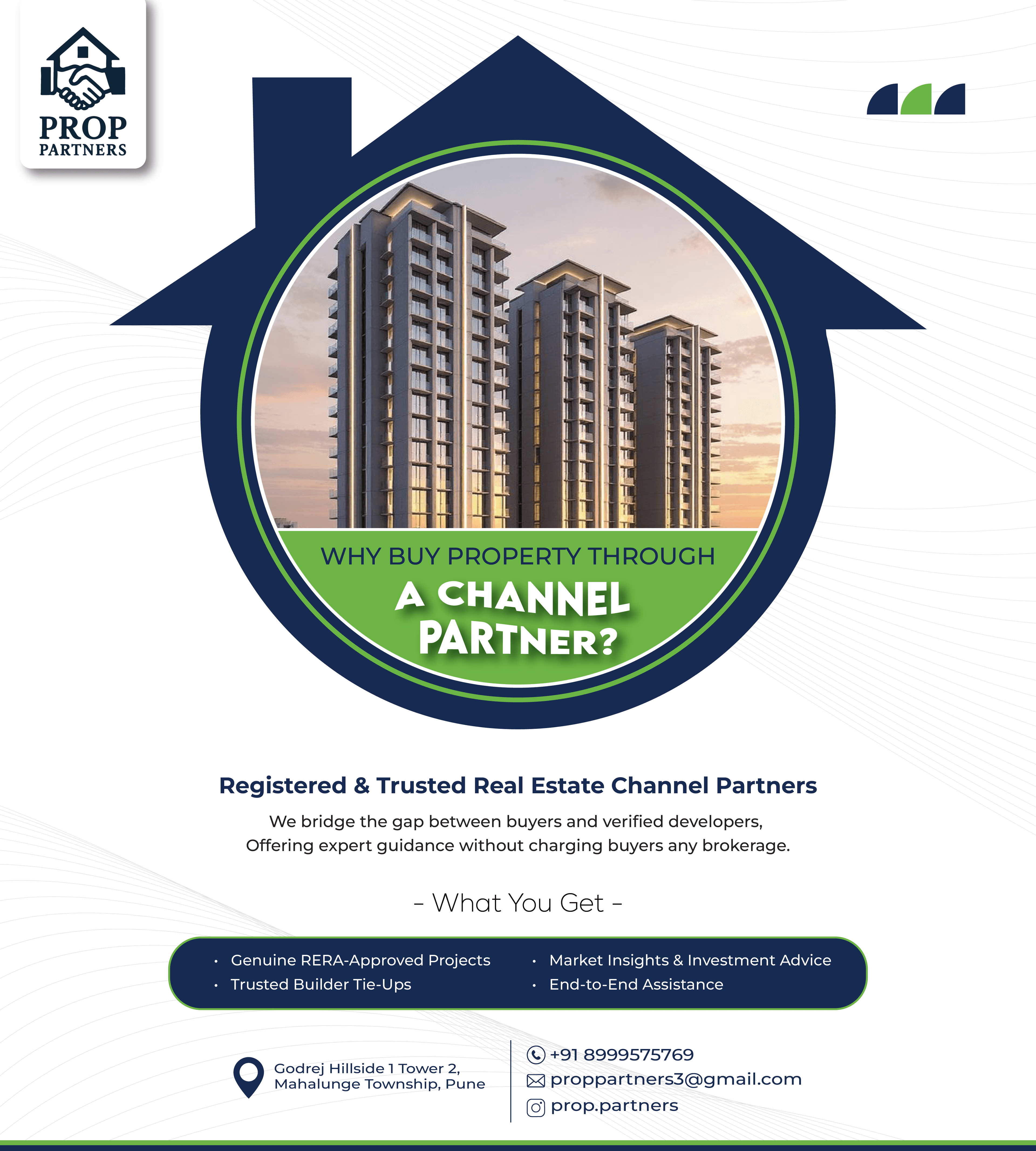
Real client builds engineered for speed, conversion, and measurable impact.
Questions before you get started.
Everything you need to know about our process, deliverables, timelines, and technical architecture.
Have a custom question?
We usually respond within 2 hours.
Yes — we've built custom integrations connecting sites to systems that don't talk to each other out of the box. Tell us what CRM you're running and we'll scope exactly what's possible before committing to anything, rather than promising a generic sync and sorting out the details later.